
Micro Concrete
Micro-Concrete Offers an alternative to joints because it allows to implement continuous interior and exterior surfaces without any joints. It is perfect for those who want a modern, minimalistic and seamless look & feel for their space.
What is CONTONE Micro-Concrete?
The Micro-Concrete is the perfect solution for those who want a seamless, innovative tactile surface, able to give any environment a unique look.
With a thickness ranging from 1.5 to 3 mm, it allows for easy renovation of existing surfaces without removal. Suitable for various substrates such as concrete, self-leveling, ceramic, and wood, it ensures application versatility. Resistant to climate change, easy to clean, and quick to install, Micro-Concrete is a practical choice, especially in spaces with underfloor heating. This decorative coating revitalizes spaces without the need for extensive construction work. Beyond aesthetics, it boasts remarkable functionality, providing durable flooring that withstands high traffic, scratches, water exposure, sunlight, and impacts, ensuring both beauty and longevity for your floors.
Request a Free Estimate
- Required Fields
CONTONE Micro-Concrete Wall Texture
The texture of CONTONE Micro-Concrete offer the possibility to personalize your home, to make every space even more characterful and unique without losing the minimal style typical of the CONTONE Micro-Concrete coating.
Perfect for covering any type of vertical surface such as plasterboard or masonry walls, stairwells, bathrooms, hotel and office halls, shops, lounge, living room and kitchen walls and, of course, to make your bedroom unique.

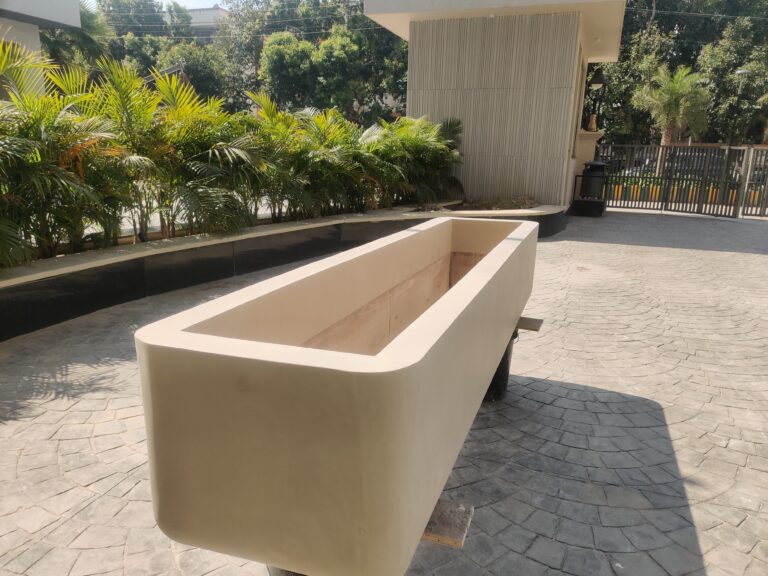
CONTONE Micro-Concrete Furniture
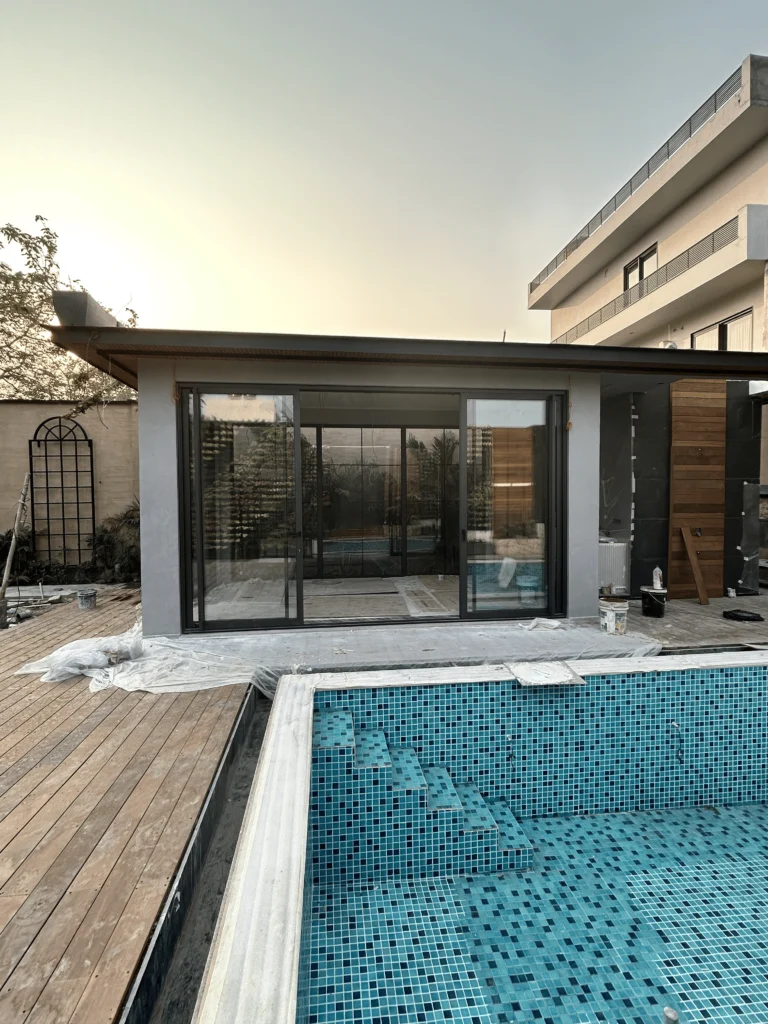
CONTONE Micro-Concrete Facade Area
Advantages of Using Micro Concrete
Micro Concrete floors offer numerous advantages, including continuity and high resistance to traffic and wear.
01.
Minimal depth and thickness
02.
Continuous and joint-free
03.
Low VOC
04.
Resistant to climate change
05.
Easy to clean
06.
Highly durable
07.
Restoring existing surfaces
08.
Determination of the slip resistance/ friction of a surface
Advantages of Using Micro Concrete
Micro Concrete floors offer numerous advantages, including continuity and high resistance to traffic and wear.
01.
Minimal depth and thickness
02.
Continuous and joint-free
03.
Reduced Water Requirement
Microcrete requires less water compared to conventional concrete, making it a cost-effective option while maintaining excellent quality and performance.
04.
Fast Drying Time
Micro concrete dries quickly, allowing treated areas to be used without disruption within a day of application, enhancing convenience for projects with tight timelines.
05.
Minimal Thickness
With a thickness of only 1.5 to 3 mm, Micro Concrete doesn't significantly raise the floor level.
06.
Seamless Finish
It provides a seamless finish without expansion joints or unions, simplifying the renovation process.
How to Apply Micro Concrete
- Surface preparation
- Primer application
- Application of Micro-Concrete 1st Base Coat
- Sanding and cleaning of the Surface
- Application of Micro-Concrete 2nd Base Coat
- Sanding and cleaning of the Surface
- Application of Micro-Concrete 1st Finish Coat
- Sanding and cleaning of the surface
- Application of Micro-Concrete 2nd Finish Coat
- Sanding and cleaning of the surface
- Application of CONTONE Primer on floor
- Sanding and cleaning of the surface
- Application of CONTONE sealer on Floor
Surface Preparation
Primer application
Application of Micro-Concrete 1st Base Coat
Sanding and cleaning of the Surface
Application of Micro-Concrete 2nd Base Coat
Sanding and cleaning of the Surface
Application of Micro-Concrete 1st Finish Coat
Sanding and cleaning of the surface
Application of Micro-Concrete 2nd Finish Coat
Sanding and cleaning of the surface
Application of CONTONE Primer on floor
Sanding and cleaning of the surface
Application of CONTONE sealer on Floor
How to Apply Micro Concrete
Surface Preparation
Ensure the surface is dry, clean, and free from grease or dirt. For metal surfaces prone to corrosion, clean and coat them before application.
Mixing
Micro concrete is easier to mix than traditional concrete. Use a mixing vessel or mix by hand, adhering to a ratio of 1:8 of water to micro concrete. Gradually stir the mixture until a serviceable mix is achieved.
Pouring
Once mixed, pour micro concrete immediately to prevent it from drying. Quick pouring ensures the ideal consistency and flow during application. Smooth the mixture with appropriate tools before allowing it to dry.
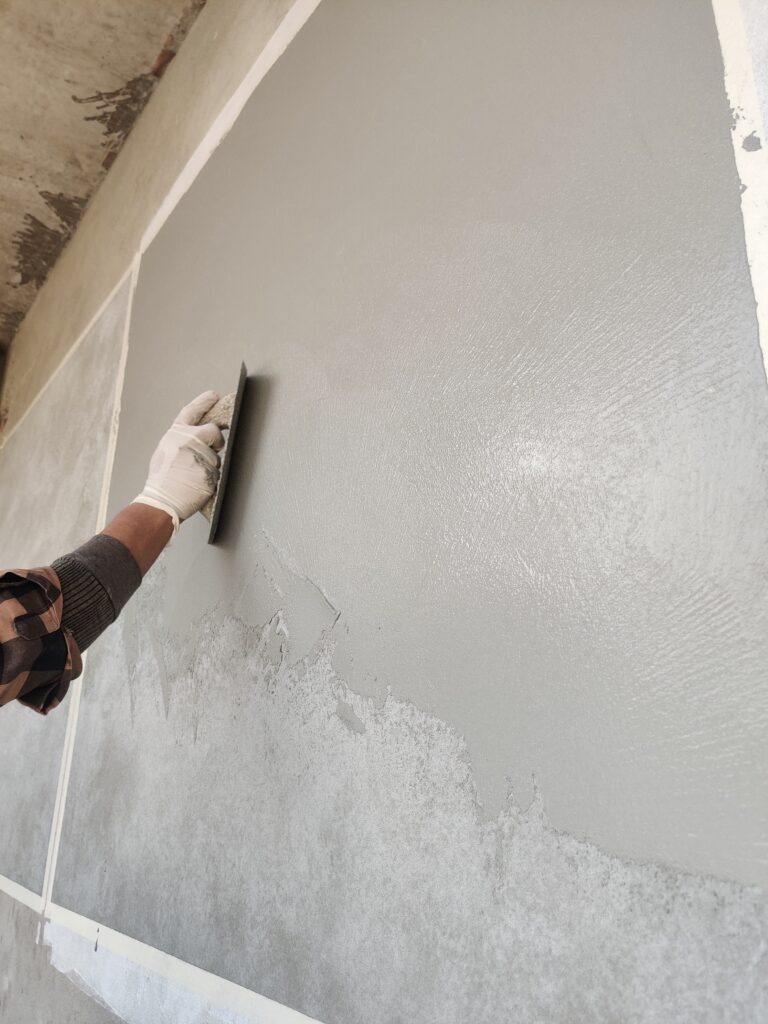
Micro Concrete Application Steps
Clean the Surface
Ensure the surface is free from dust, stains, and particles. Check and address any humidity issues.
Apply Primer
Use an appropriate primer to enhance adhesion between the existing surface and micro concrete.
First Layer
Apply the first layer of an unpigmented micro concrete base, optionally using a fiberglass mesh to minimize future cracks.
Second Layer
After drying, apply a second coat of pigmented micro concrete base in the desired color.
Finishing Layers
Apply two layers of finishing micro concrete for the desired texture and finish.
Protective Coating
Apply two coats of sealant to protect and waterproof the micro concrete floor, achieving a non-slip finish.
Applications of Micro Concrete: Enhancing Interior and Exterior Surfaces
It allows the creation of seamless surfaces for residential and commercial indoor and outdoor walls, floors, ceilings, and furniture.
It is an upcoming décor trend as part of commercial design for internal and external surfaces of showrooms, studios, and offices.
For its unique qualities, it can be utilized for a variety of interior applications, including floors, furniture, ceilings, and staircases.
FAQ's
Micro concrete is versatile and suitable for both horizontal and vertical surfaces, indoors and outdoors. It is commonly used in kitchens, bathrooms, stairs, and even swimming pools. However, it cannot be applied on wooden surfaces.
No, micro concrete is not inherently waterproof, but it is water-resistant. When applied with a sealant, it can achieve water resistance. The sealant enhances its water-resisting properties, making micro concrete both water-resistant and highly durable.
Micro concrete is typically applied in thin layers due to its decorative nature. The ideal thickness of a micro concrete layer ranges from 2mm to 3mm.
Yes, micro concrete is compatible with underfloor heating systems. Its thin layer allows for efficient heat transfer, making it suitable for use on heated floors in various settings.
The drying time of micro concrete depends on factors such as temperature and humidity. Generally, it takes approximately 24 to 48 hours for micro concrete to dry completely before it can be sealed or further processed.